High-volume production SKUs designed for private label distributors, global retail channels, and e-sports brand portfolios.
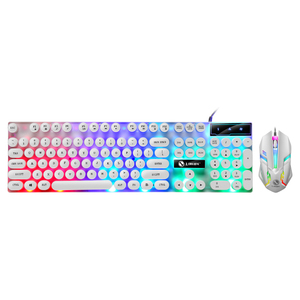
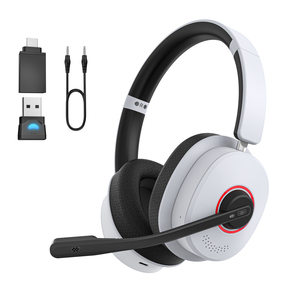
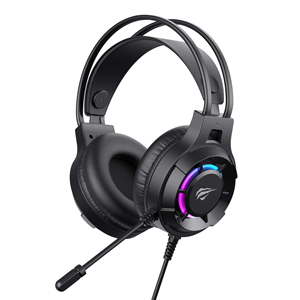
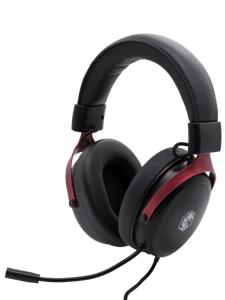
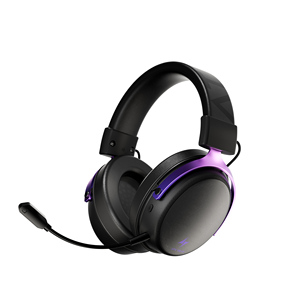
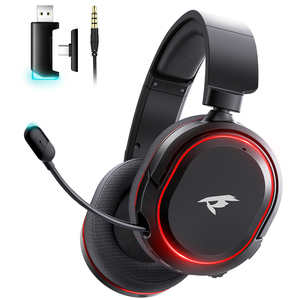
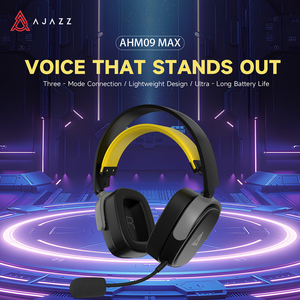
The global gaming peripheral landscape is undergoing a structural shift. As interactive entertainment transitions toward cross-platform spatial audio, hyper-competitive e-sports, and wireless ubiquity, enterprise procurement teams face unprecedented technical complexity when choosing custom OEM gaming headset factories and exporters. Modern B2B sourcing requires moving beyond superficial aesthetics—such as RGB lighting placement—and diving into the fundamental engineering metrics: acoustic driver tuning, RF spectrum stability, DSP virtualization, thermal management of ear-cup microclimates, and total cost of ownership (TCO) optimization.
Building a market-leading gaming headset product line requires precise hardware integration across five core sub-assemblies:
Custom 50mm neodymium magnetic cores utilizing titanium-evaporated PET diaphragms. Engineered for high transient response, deep sub-bass reproduction, and linear high-frequency staging without harmonic distortion.
Seamless integration of Bluetooth 5.3 dual-stream audio, proprietary 2.4GHz ultra-low latency protocols (<15ms), and 3.5mm analog fail-safe pass-through for cross-console compatibility (PS5, PC, Switch, Mobile).
Hardware-level Environmental Noise Cancellation (ENC) utilizing beamforming dual electret condenser microphones and real-time DSP algorithm filters to eliminate ambient fan, mechanical keyboard, and room noise.
When selecting a gaming headset exporter, brands must mandate full transparency over the Bill of Materials (BOM). Key component choices, such as utilizing Nordic or Realtek chipsets for wireless transmission vs. generic unbranded ICs, directly impact RF range stability, battery discharge curves, and software driver integration options.
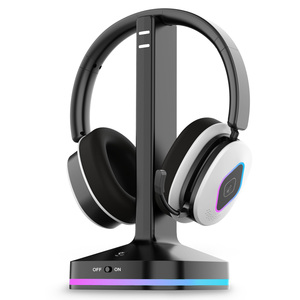
As consumer preferences move away from traditional cable tethering, flagship gaming headsets now incorporate contact-based auto-charging docks. Utilizing magnetic Pogo-pin interconnects, these docks provide instant seating, power transmission, and seamless wireless dongle pass-through. This architecture prevents micro-USB or Type-C port degradation caused by repeated mechanical insertions, extending overall product lifespan and drastically lowering warranty return rates for international importers.
The consumer electronics industry is moving rapidly toward sustainable, intelligent, and highly customized peripheral ecosystems. Key trends influencing global contract manufacturing contracts over the next half-decade include:
Standardized engineering baselines available across our OEM/ODM custom factory production lines.
| Feature Category | Entry-Level Wired OEM | Mid-Tier BT5.3 Wireless | Flagship Tri-Mode Pogo-Dock |
|---|---|---|---|
| Target Retail Price Tier | $19.99 – $29.99 | $39.99 – $59.99 | $79.99 – $129.99 |
| Driver Architecture | 40mm Dynamic Stereo | 50mm High-Neodymium Magnet | 50mm Titanium Composite Diaphragm |
| Connectivity Protocols | 3.5mm Analog / USB-A Wired | Bluetooth 5.3 + 3.5mm Aux | Tri-Mode (2.4G Ultra-Low + BT5.3 + 3.5mm) |
| Wireless Latency | N/A (0ms Cable Direct) | <60ms (Low Latency Mode) | <15ms (Proprietary 2.4G Dongle) |
| Microphone System | Single Omnidirectional Boom | Cardioid Mic + Basic Noise Filter | Dual-Mic Hardware ENC Array |
| Charging Method | Bus Powered via Cable | USB Type-C Fast Charge | Auto-Docking Pogo-Pin Stand + USB-C |
| Factory QC Protocol | AQL 1.0 Drop & Flex Test | 48h Burn-In + Frequency Match | 48h Burn-In + Chamber Acoustic Testing |
Rigorous quality assurance, documented compliance protocols, and scalable production systems for international buyers.
Every headset chassis undergoes frequency-response curve matching using standardized artificial ear head simulators. Target SPL tuning ensures deep balanced bass response alongside clear high-frequency spatial tracking for e-sports localization.
Production lots pass drop testing, headband dynamic flex testing (10,000+ cycle fatigue resistance), salt spray corrosion tests, charge-cycle degradation analysis, and compulsory 48-hour continuous burn-in before export release.
Full certification readiness tailored to destination import markets including CE, RoHS, FCC, BIS, and REACH testing. Comprehensive compliance documentation and test reports are delivered alongside standard commercial shipping bills.
Common technical and logistical questions answered for brand managers and corporate buyers.
Request full product specification sheets, bill of materials options, unit wholesale pricing tiers, and customized sample kits directly from our engineering team.