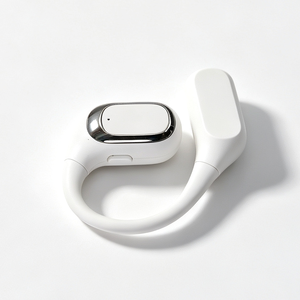
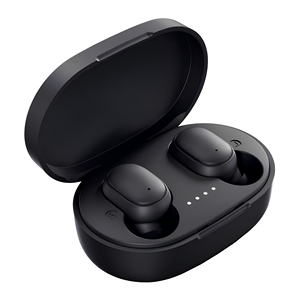
Turnkey OEM/ODM product lines with pre-validated BIS, CE, FCC, and RoHS certifications ready for global deployment.

In the rapidly modernizing consumer technology market, selecting a qualified OEM/ODM charging cable supplier and exporter is no longer merely a transaction based on per-unit pricing. With the enforcement of the European Union’s universal USB-C mandate (Directive 2022/2380) and the worldwide transition toward USB Power Delivery 3.1 Extended Power Range (PD 3.1 EPR - up to 240W), cable manufacturing has evolved into an advanced electrical and materials engineering discipline.
Global brand owners, consumer electronics importers, and enterprise distributors require manufacturing partners capable of delivering uncompromising thermal control, structural endurance, signal integrity, and strict international regulatory compliance. This technical white paper examines the core parameters governing high-performance cable manufacturing, critical material choices, upcoming market trends, and enterprise-grade supplier selection protocols.
The foundation of any high-wattage charging cable lies in its internal wire gauge configuration. Cheap market alternatives often utilize low-purity copper-clad aluminum (CCA), leading to high electrical resistance, dangerous voltage drops, and heat build-up under continuous load.
Modern Type-C to Type-C cables delivering over 60W (3A) must incorporate an integrated electronically marked IC (E-Marker). As a premier OEM exporter, our assemblies integrate certified controller chips from leading semiconductor vendors.
iGear World operates as a true technology engineering house. Industrial design, acoustic matching, firmware tuning, and packaging localization are executed completely in-house.
Unlike trading intermediaries that simply re-badge off-the-shelf items, our production facility implements strict multi-stage quality control gates on every single production lot before export dispatch:
Cables undergo 30,000+ continuous 180-degree bend cycles under a 500g load at the strain relief (SR) joint without mechanical failure or conductivity loss.
Plated metal shells and USB connectors are subjected to a 48-hour salt fog environment to verify anti-oxidation resistance for maritime shipping.
100% full-load thermal imaging burn-in testing combined with 1.5-meter drop testing guarantees zero latent defects reach your retail shelves.
Anticipate consumer demand shifts and regulatory evolutions with our forward-looking product roadmap.
As laptops, power stations, gaming rigs, and high-draw devices standardise on USB-C PD 3.1, demand for 240W-rated cables is surging. Importers must secure suppliers with certified E-Marker solutions to capture premium enterprise margins.
Environmental legislation across Europe and North America requires post-consumer recycled (PCR) plastics in cable jackets, wheat-straw TPE blends, and ocean-bound recycled nylon braiding. Sustainable packaging is now a key RFQ criterion.
Cables featuring real-time OLED/LED wattmeter displays built into the connector housing are experiencing rapid consumer adoption. They provide visual proof of fast-charging speeds, yielding higher conversion rates in retail packaging.
Silky-smooth liquid silicone jackets that resist tangling, endure extreme temperatures (-50°C to 200°C), and wipe clean effortlessly are superseding traditional rigid PVC cables in lifestyle retail categories.
Clear, direct answers regarding custom tooling, minimum order quantities (MOQ), OEM labeling, and international shipping.