

Explore our enterprise-ready Active Noise Cancellation (ANC) and Environmental Noise Cancellation (ENC) audio platforms. Built for high-volume distributors, brand licensing, and private-label deployment worldwide.
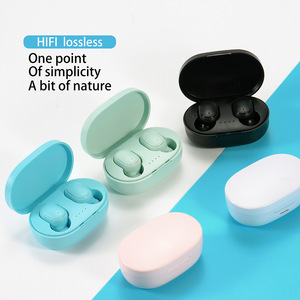
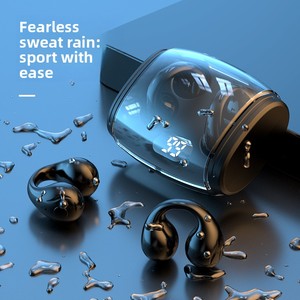
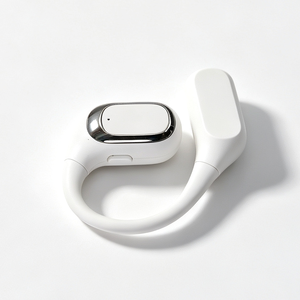
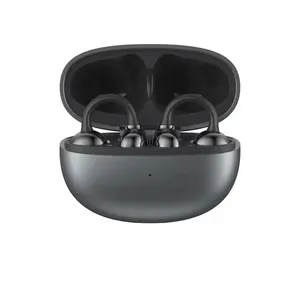
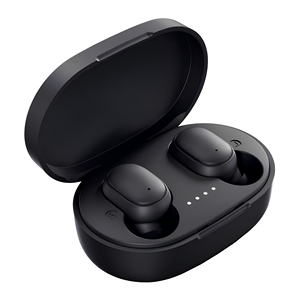
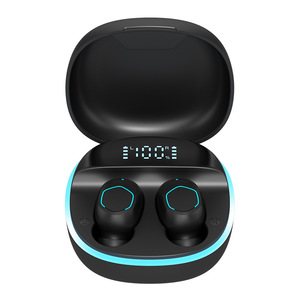
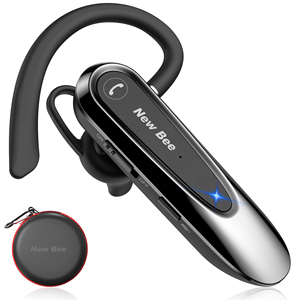
The global market for Active Noise Cancellation (ANC) True Wireless Stereo (TWS) earbuds has reached a critical inflection point. What was once considered a luxury feature exclusive to top-tier consumer electronics brands is now a baseline expectation across entry-level and mid-range retail channels. Procurement officers, brand managers, and consumer electronics distributors must navigate a highly fragmented supplier ecosystem dominated by specialized original equipment manufacturers (OEMs) and original design manufacturers (ODMs) concentrated in Asian electronics hubs.
Modern ANC earbuds are no longer simple electro-acoustic transducers; they are complex System-on-Chip (SoC) micro-computers requiring precise integration of DSP algorithms, multi-microphone arrays, acoustic cavity design, and micro-battery management. Sourcing high-quality ANC TWS products demands a technical auditing protocol that goes beyond surface aesthetics to evaluate chipset stability, active noise cancellation frequency curves, Environmental Noise Cancellation (ENC) beamforming for calls, and factory quality control (QC) yield rates.
Tier-1 factories are shifting from basic assembly to full in-house R&D. Sourcing directly from verified engineering houses guarantees consistent acoustic tuning, long-term tooling availability, and standardized firmware baselines.
Evaluating suppliers based on empirical metrics—such as decibel reduction bandwidth (-28dB vs -45dB), return material authorization (RMA) percentages, and burn-in duration—ensures superior supplier selection over generic trading company claims.
Understanding the core acoustic architecture is essential for enterprise procurement teams negotiating bill-of-materials (BOM) costs and target specifications with TWS factories. Active Noise Cancellation relies on inverted phase audio waves to neutralize ambient noise.
Uses an external microphone placed on the outer housing to capture ambient noise before it reaches the listener's ear.
Positions the microphone inside the ear tip cavity to measure the exact sound reaching the ear canal.
Combines feedforward and feedback microphones driven by dual-core digital signal processors (DSP).
The following benchmarking matrix evaluates leading ANC TWS manufacturing partners based on acoustic R&D capabilities, monthly production capacity, quality assurance standards, minimum order quantity (MOQ) flexibility, and compliance certifications.
| Supplier / OEM Platform | Primary Chipset Tech | ANC Isolation Depth | Monthly Capacity | Defect Rate (RMA) | Certifications |
|---|---|---|---|---|---|
| 1. iGear / Intelly Tech R&D | Bluetooth 5.4 / JL / Realtek Hybrid | -35dB to -45dB | 850,000 Pairs | < 0.25% | CE, RoHS, FCC, BIS, ISO9001 |
| 2. GoerTek Audio Systems | Qualcomm QCC Series | -40dB to -48dB | 3,500,000 Pairs | < 0.15% | ISO9001, ISO14001, Apple MFi |
| 3. Luxshare Precision TWS | Custom DSP / Beschnic | -38dB to -45dB | 5,000,000 Pairs | < 0.18% | CE, FCC, RoHS, ISO9001 |
| 4. Edifier OEM Division | BES / Airoha Platform | -32dB to -40dB | 1,200,000 Pairs | < 0.30% | CE, FCC, REACH, BQB |
| 5. Cosonic Acoustic Technology | Realtek 8773 Series | -30dB to -38dB | 900,000 Pairs | < 0.35% | RoHS, CE, FCC, BIS |
| 6. Foster Electric (China Facility) | Qualcomm Snapdragon Sound | -42dB to -48dB | 600,000 Pairs | < 0.10% | ISO9001, TS16949, CE |
| 7. Grandsun Electronics | JL 7006 / 7003 ANC | -28dB to -35dB | 1,500,000 Pairs | < 0.40% | CE, RoHS, FCC |
| 8. Cannice Audio Tech | Airoha / Realtek | -30dB to -36dB | 800,000 Pairs | < 0.35% | BQB, CE, FCC, RoHS |
| 9. Dongguan Broadcom Acoustic | JL Chipset Baseline | -25dB to -32dB | 2,000,000 Pairs | < 0.45% | CE, RoHS, FCC |
| 10. Shenzhen SoundPEATS OEM | Qualcomm / Realtek Hybrid | -35dB to -42dB | 700,000 Pairs | < 0.30% | CE, FCC, BQB, PSE |
Procurement directors must anticipate shifts in consumer preferences and underlying component hardware over a 36-month horizon. Sourcing decisions made today will determine catalog competitiveness through 2030.
Bluetooth 5.4 and LE Audio are rendering traditional SBC/AAC codecs secondary. The Low Complexity Communication Codec (LC3) delivers superior audio fidelity at half the bit rate, significantly reducing power consumption and allowing battery size reduction in earbud stems without compromising playback hours.
Static ANC profiles are being replaced by edge-AI neural networks embedded in the TWS chipset. Modern factories tune DSPs to dynamically sample external environment noise every 10 milliseconds, seamlessly transitioning between deep noise suppression, wind-noise mitigation, and dynamic voice pass-through.
Dynamic dynamic coils are giving way to solid-state MEMS (Micro-Electro-Mechanical Systems) micro-speakers and titanium/graphene composite diaphragms. These materials eliminate high-frequency distortion, providing flat acoustic frequency responses up to 40kHz for Hi-Res audio compliance.
As seen in newer TWS platforms, integration of full-color LED digital displays on charging cases allows users to control ANC modes, equalizer presets, volume, and battery monitoring directly on the case—creating premium product differentiation for retail brands.
High return rates destroy retail margins. When auditing potential TWS factories, procurement teams must enforce strict factory-gate Quality Control (QC) protocols. Below is the technical validation flow required for enterprise-grade audio manufacturing:
Every production unit passes through an acoustic isolation chamber equipped with artificial head-and-torso simulators (HATS). Frequency response must remain within a ±1.5dB tolerance curve against the gold master sample across the 20Hz–20kHz spectrum.
Lithium-ion button cells (earbuds) and pouch batteries (charging case) undergo 48 hours of uninterrupted charge-discharge cycles at elevated ambient temperatures (45°C) to expose micro-shorts, voltage drops, or thermal instability before packaging.
Sports TWS models rated IPX4 to IPX7 undergo automated water-spray jet testing and tumble-drop testing (1.2-meter drop onto hardwood 50 consecutive times) to ensure acoustic mesh adhesives and acoustic gaskets maintain structural integrity.
At iGear World / Intelly Tech, we engineer consumer audio, charging, desk lighting, and smart wearable solutions built specifically for global distributors, modern trade chains, and brand owners. We eliminate supply chain opacity by operating as a direct engineering and manufacturing partner.
Our industrial design and firmware teams support complete white-label and private-label customization for enterprise buyers:
Essential technical and commercial answers for product managers and procurement teams sourcing ANC earbuds at volume.
Work directly with an established engineering house. Request sample units, technical BOM breakdowns, acoustic frequency reports, and volume tier pricing today.