Explore our top-tier wholesale Bluetooth speakers, true wireless stereo (TWS) audio systems, and high-performance gaming acoustics engineered for global brand distributors and retail chains.
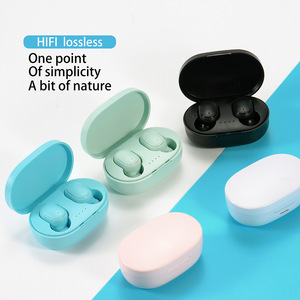
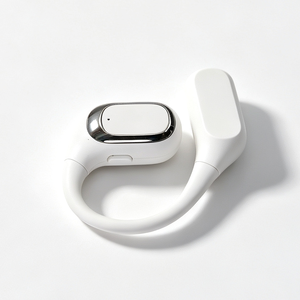
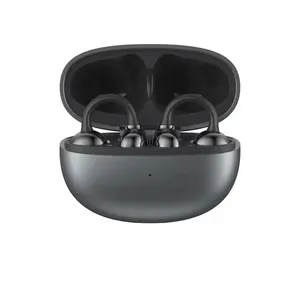
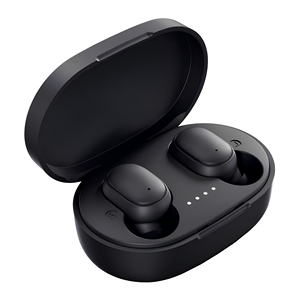
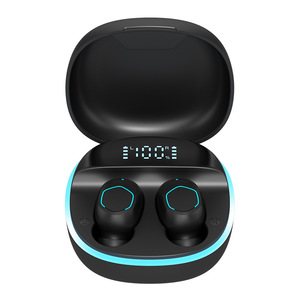
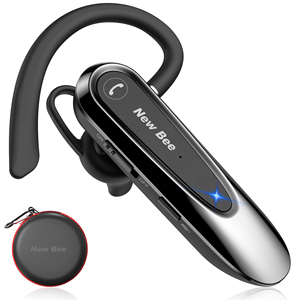
The global portable audio market has evolved from simple Bluetooth speakers to sophisticated, multi-functional acoustic ecosystems. As global retailers, brand owners, and regional distributors navigate procurement for 2026 and beyond, choosing the right manufacturing partner requires evaluating far more than unit prices. Sourcing directors must benchmark factories based on acoustic cavity design, firmware stability, Bluetooth SoC integration (Qualcomm, JL, Realtek), battery safety compliance, and rigorous quality assurance protocols.
According to Google's Search Quality Rater Guidelines, establishing Expertise, Authoritativeness, and Trustworthiness (E-E-A-T) in technical consumer electronics procurement demands direct engineering transparency. This whitepaper provides a comprehensive analysis of the top manufacturing standards, critical evaluation parameters for selecting a top-tier OEM/ODM factory, and key technological shifts shaping the future of portable wireless audio production.
As consumer expectations shift toward immersive sound, longer battery lifespans, and seamless multi-device connectivity, portable speaker and OEM earbud factories are upgrading their baseline engineering architectures. Distributors must align with manufacturers adopting the following technical developments:
Next-generation portable party speakers and TWS platforms are migrating to Bluetooth 5.4 with LE Audio support and LC3 codec integration. Auracast broadcasting allows a single source to transmit synchronized audio to hundreds of speakers concurrently without latency degradation or packet loss.
Modern party speakers and desk audio systems are incorporating Gallium Nitride (GaN) fast-charging modules. Rather than serving solely as acoustic transducers, modern portable units function as heavy-duty power banks (22.5W PD to 100W output) capable of charging laptops and smartphones simultaneously.
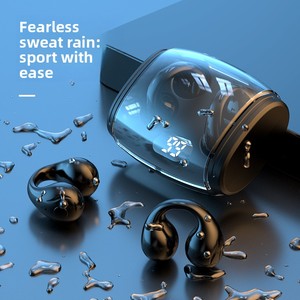
IPX4 splash protection is now the baseline; top factories engineer IP67 and IP68 dust- and water-submersible enclosures using hydrophobic acoustic mesh membranes, custom-molded silicone gaskets, and double-injection housing materials for rugged outdoor usability.
When sourcing portable speakers and true wireless audio systems at enterprise volumes, procurement teams must evaluate candidate OEMs across several core manufacturing capabilities. Below is a structured benchmark framework utilized by top electronics buyers to audit Tier-1 audio suppliers:
| Evaluation Parameter | Tier-1 Factory Standard | Mid-Tier Supplier Standard | Risk Factor / Red Flag |
|---|---|---|---|
| Acoustic R&D & Tuning | In-house Anechoic Chamber, SoundCheck FFT Analyzers, Custom DSP Tuning | Outsourced acoustic design, generic chip EQ presets | No frequency response testing data provided |
| Quality Control Gates | 100% 48-Hour Burn-in, Drop Testing, Salt Spray, Battery Cycle Validation | Spot checking (AQL 2.5 Major), 4-hour burn-in | No burn-in testing or retained sample storage |
| Compliance & Testing | BIS, CE, RoHS, FCC, MSDS, UN38.3, REACH Certified per destination market | Basic CE & RoHS certificates, generic test reports | Missing lithium-battery transportation reports |
| Chipset Transparency | Original JL / Qualcomm / Realtek / Airoha SoCs specified in Bill of Materials (BOM) | Mixed chipset sourcing depending on batch cost | Refurbished or unbranded ICs without firmware lock |
| Defect Rate (AQL Standard) | Major < 1.0 / Minor < 1.5; Published warranty claim continuity | Major < 2.5 / Minor < 4.0 | No formal AQL guarantee or RMA reimbursement plan |
Note: Tier-1 suppliers like iGear World maintain complete BOM transparency, ensuring that driver voice coils, magnet structures (Neodymium N35/N42), battery protection PCBs, and Bluetooth ICs match initial approved golden samples across all mass production lots.
As a dedicated consumer-technology engineering house and global manufacturing partner, our production facility combines state-of-the-art SMT assembly, electro-acoustic calibration, and international compliance management. We do not simply re-badge off-the-shelf items; we engineer complete audio platforms optimized for shelf-appeal, durability, and brand loyalty.
Our engineering team controls acoustic tuning, cabinet resonance modeling, and firmware optimization. From retro vintage wooden speaker cabinets to 160W high-output PA party systems, every driver is paired with tuned passive radiators and custom DSP curves for maximum SPL without harmonic distortion (THD < 0.5%).
Quality assurance is structured around zero-defect operational goals. Every batch of Bluetooth party speakers, ANC earbuds, and charging power hubs undergoes mandatory 48-hour burn-in stress testing, acoustic frequency-response sweeps, drop tests, and thermal cycling before packaging clearance.
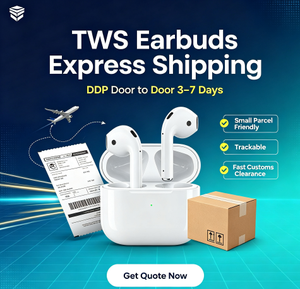
We provide complete turnkey private labeling services including custom industrial colorway matching, laser engraving, multilingual packaging localization, regional plug variants, and full DDP (Delivered Duty Paid) door-to-door logistics with destination-specific customs compliance.
Navigating global electronics supply chains requires proactive planning around component lead times, seasonal demand surges, and regulatory compliance changes. As you plan your audio product roadmap, consider the following strategic guidelines:
To mitigate tooling investment costs and speed up time-to-market, leading distributors utilize standardized internal PCB mainboards across multiple exterior enclosure designs. By sharing a common Bluetooth chipset baseline (e.g., JL 5.3 / 5.4 platform), firmware maintenance and spare parts inventory costs are drastically reduced.
International markets are enforcing stricter regulations regarding battery recyclability and supply chain transparency. Ensure your factory partner provides certified Grade-A lithium-ion cells equipped with Seiko or equivalent battery protection ICs to prevent overcharging, deep discharge, and thermal runaway. Demand verified UN38.3 test summaries and Material Safety Data Sheets (MSDS) with every shipment lot.
Retail sales data indicates that bundled consumer technology products—such as pairing a 50W retro party speaker with a wireless karaoke microphone, or bundling TWS earbuds inside a high-speed charging station—yield significantly higher margin profiles and reduce shelf-space contention.
Comprehensive answers to critical manufacturing, quality control, compliance, and ordering questions for international B2B buyers.
Partner with an established electro-acoustic engineering house. Contact our technical sourcing team today for instant OEM/ODM catalog pricing, sample evaluation requests, and factory audit scheduling.