Explore high-performance charging docks, smart audio power systems, and multi-functional TWS stations built under IATF 16949 & ISO 9001 quality controls.

Industrial-grade charging station hub integration featuring multi-channel power distribution, low-latency audio sync, and complete turnkey DDP global logistics.

Integrated real-time LED power telemetry, dual-channel smart power balance, IPX4 waterproof architecture, and touch control ergonomics.

Large-capacity power dock engineering combined with Hi-Res audio output, thermal-managed charge cycles, and ultralow latency for active environments.

Next-generation Bluetooth 5.4 power controller with Environmental Noise Cancellation (ENC), digital battery metering, and IPX5 moisture barrier protection.
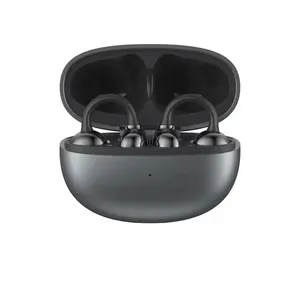
Bespoke industrial aesthetic engineered with high-efficiency power management ICs, extended acoustic cycle lifetime, and premium tactile surface treatments.

High-volume wholesale solution featuring compact power housing, optimized unit economics for distributors, and standardized quality burn-in verification.

Heavy-duty power charging case integration with real-time numeric telemetry, dynamic stereo balance, and ruggedized housing for sports commercialization.

Single-ear enterprise communications tool paired with micro charging cradle, customizable silk-screen branding, and wide smartphone Bluetooth protocol compatibility.
China has solidified its position as the global hub for electric vehicle supply equipment (EVSE), smart energy storage hubs, and advanced consumer power electronics. Anchored in the Pearl River Delta technology cluster—spanning Shenzhen, Dongguan, and Guangzhou—China charging station factories represent over 70% of worldwide manufacturing output for AC wallboxes, DC fast chargers, multi-device power hubs, and portable power stations.
As global decarbonization policies accelerate and municipal EV charging infrastructure mandates expand across North America, Europe, and the Asia-Pacific region, international B2B buyers face complex procurement choices. Navigating China's vast supplier landscape requires a rigorous evaluation framework that goes beyond simple FOB unit pricing. Professional procurement leads must audit industrial engineering depth, thermal management patents, Open Charge Point Protocol (OCPP) firmware compliance, and full supply-chain traceability.
Leading Chinese manufacturers distinguish themselves through substantial capital investments in automated Surface Mount Technology (SMT) lines, isolated high-voltage test bays, and in-house electromagnetic compatibility (EMC) testing chambers. When evaluating potential OEM/ODM partners, institutional buyers focus on four core operational indicators:
Our manufacturing matrix integrates dedicated acoustic tuning chambers and high-voltage power simulation labs, ensuring every power station and audio charging dock undergoes precise frequency matching and thermal calibration before tooling lock.
Production runs undergo multi-stage quality gates: incoming raw material verification, drop-testing, charge-discharge thermal imaging, moisture ingress resistance, and retained batch sample archives for complete lot traceability.
Full-service OEM/ODM capabilities supporting custom housing colors, silk-screened brand logos, localized multilingual user guides, regional plug adaptors, and retail-ready packaging engineered for drop-ship resilience.
The charging equipment landscape is undergoing a massive transformation driven by three converging macro forces: higher battery capacities, smart grid integration demands, and consumer expectations for unified ambient technology. Suppliers in China are rapidly moving up the value chain from basic hardware assembly to sophisticated, software-defined energy ecosystems.
Traditional silicon-based Insulated Gate Bipolar Transistors (IGBTs) are reaching their thermal and switching limits. Modern DC fast charging stations and multi-device power docks are adopting Silicon Carbide (SiC) MOSFETs and Gallium Nitride (GaN) power ICs. This shift reduces switching losses by up to 60%, drastically decreases heat sink volume, and allows compact enclosure designs that deliver higher kilowatt output per square meter of footprint.
Uncontrolled high-power charging threatens regional electrical distribution grids. Next-generation AC and DC charging stations manufactured in China feature integrated Dynamic Load Balancing algorithms. DLB real-time monitoring adjusts station current draw based on total facility electrical load, preventing breaker trips without requiring expensive service drop upgrades. Furthermore, Vehicle-to-Grid (V2G) bi-directional power flow capabilities, compliant with ISO 15118-20, are becoming standard in premium commercial models, converting parked vehicle fleets into distributed battery energy storage systems (BESS).
Commercial charging stations are no longer isolated utilities; they are turning into interactive consumer touchpoints. In hospitality, retail, and corporate workplace environments, charging stations are increasingly blended with ambient LED mood lighting, high-definition digital signage screens, white-noise generators, and localized true wireless audio hubs. This convergence provides commercial property owners with elevated aesthetic appeal and multi-revenue streams.
To assist procurement managers in establishing precise RFP parameters, the matrix below details key engineering benchmarks between legacy charging equipment and next-generation smart charging platforms manufactured by leading Chinese suppliers.
| Performance Metrics | Legacy Generation (2020-2023) | Next-Gen Smart Platform (2026+) | B2B Operational Impact |
|---|---|---|---|
| Power Conversion Efficiency | 90.5% - 93.0% (Silicon IGBT) | 96.5% - 98.2% (GaN / SiC MOSFET) | Lower thermal dissipation, ~35% energy cost reduction |
| Protocols & Connectivity | Basic RS485 / Analog Control | OCPP 2.0.1, ISO 15118, Wi-Fi 6, 5G IoT | Seamless cloud billing & automated Plug & Charge |
| Thermal Architecture | Passive Aluminum Heat Sink | Liquid Cooling / Forced Micro-Air Channels | Extended component lifespan, zero high-temp throttling |
| Load Distribution | Static Amperage Allocation | AI Dynamic Load Balancing (DLB) | Prevents grid overload, optimizes multi-port distribution |
| Quality Standards | Basic CE Mark, 12h Burn-in | TÜV/UL Dual Cert, 48h Full Load Burn-in | Sub-0.1% Field Failure Rate (AFR), lower warranty costs |
Sourcing charging hardware from China requires strategic foresight. Buyers must balance initial landed cost against Total Cost of Ownership (TCO), regulatory risk, and supply chain resilience. Over the coming 36 months, global procurement strategies are shifting along several clear vectors:
While core hardware manufacturing remains localized in China due to unparalleled component density, leading distributors are opting for modular supply models. Raw circuit assemblies and certified power units are shipped in bulk master cartons, while product enclosures, user interface firmware, and multilingual retail packaging are finalized closer to destination markets. Top Chinese factories support this by offering modular SDKs and unbranded chassis platforms ready for rapid localization.
Global regulatory bodies are tightening scrutiny on electronics supply chains. Enterprise buyers now mandate comprehensive factory audits—either conducted in-person or via accredited third-party inspection firms such as Bureau Veritas or SGS. Key audit criteria include verification of conflict-free mineral sourcing, ISO 14001 environmental compliance, and automated optical inspection (AOI) data retention for every SMT solder joint.
Navigating customs tariffs, hazardous materials classifications for lithium-integrated charging docks, and international freight volatility has made DDP shipping standard for medium-to-large procurement contracts. Factory partners that provide integrated, insured door-to-door logistics eliminate unexpected tariff surcharges and streamline inventory planning for regional distributors.
Comprehensive answers to critical technical, legal, and operational inquiries commonly raised by B2B buyers when engaging Chinese charging station suppliers.
Streamline your B2B sourcing pipeline with factory-direct pricing, certified quality management, and comprehensive OEM/ODM engineering support tailored for your distribution network.